Fit over trend: what actually flatters
Shoulder, rise and hem decide more than any trend does. The measurements that flatter, the ones a tailor can fix, and how to judge fit in a render.
Trends arrive with a marketing budget. Fit arrives with a tape measure. Of the two, only one is visible from across a room, and it is not the trend.
Below are the points that decide whether a garment looks like it was made for you, in the order they matter.
The three that decide everything
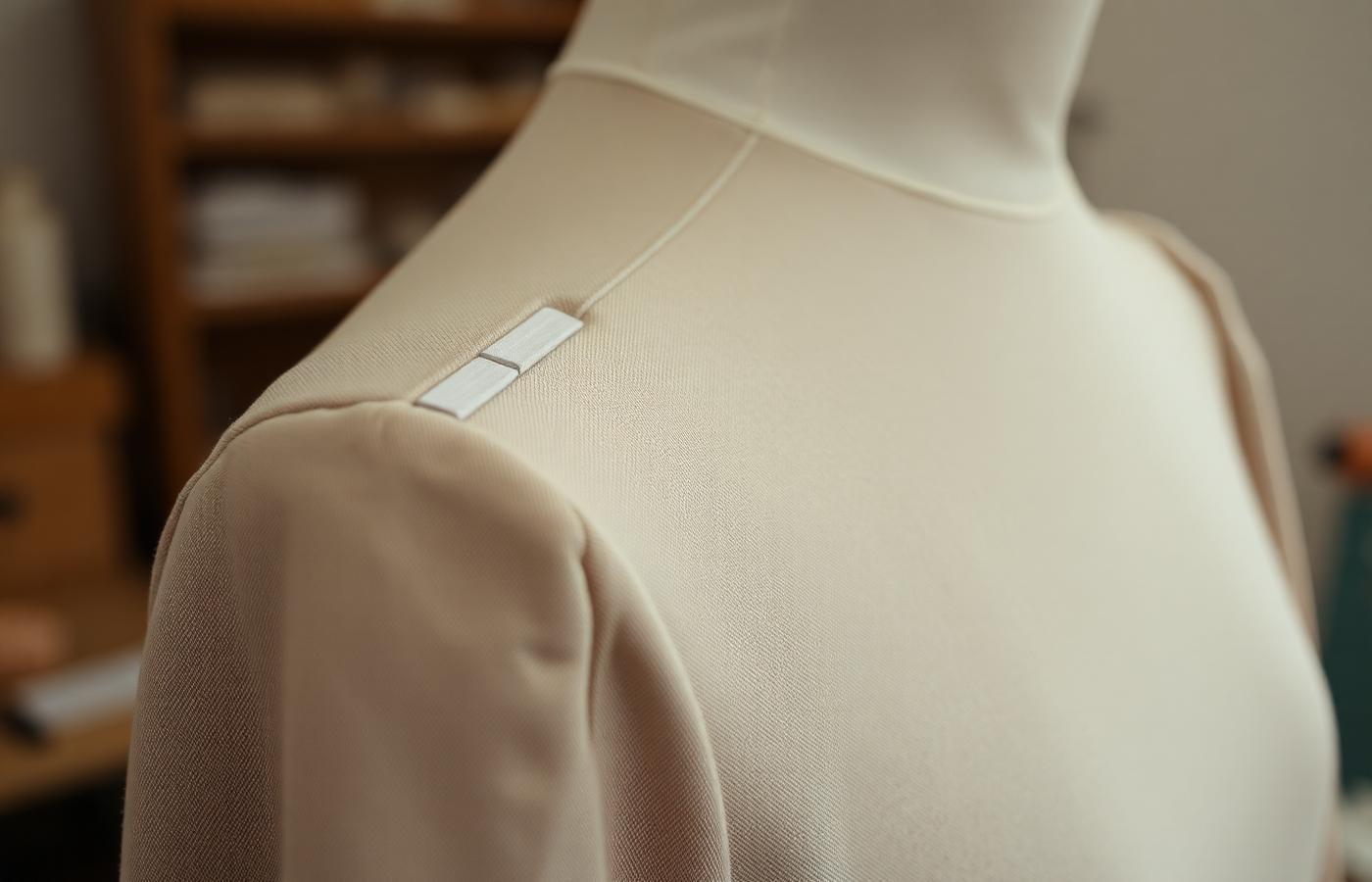
Shoulder seam. On a jacket, coat or structured shirt, the seam should land at the edge of your shoulder bone — not on the arm, not short of the bone. Almost every other part of a jacket can be altered. This one effectively cannot, which makes it the first thing to check and the only reason to walk away from a garment you otherwise love.
Rise. Where trousers sit changes apparent leg length more than the trousers themselves do. A higher rise moves the visual break upward and lengthens the leg; a lower rise shortens it and widens the middle. If you have ever wondered why one pair of the same-size jeans flatters and another does not, the answer is usually rise, not size.
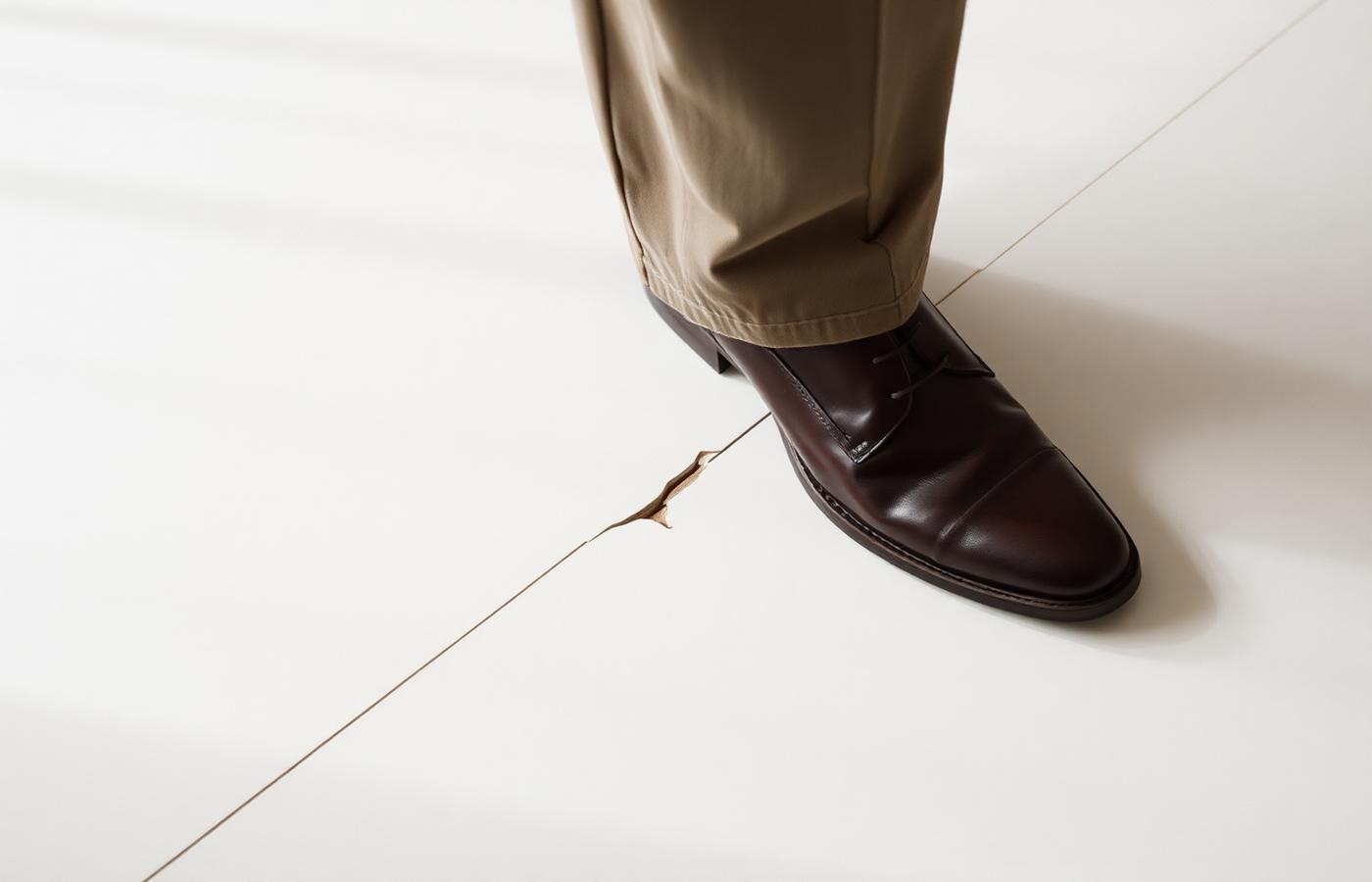
Hem. Sleeves at the wrist bone. Trousers breaking once, cleanly, on the shoe. Jackets ending around mid-hip unless the cut is deliberately cropped or long. Hems are cheap to correct and are the difference between clothes and tailoring.
The next tier
- Chest and button pull. A shirt or jacket that pulls into an X at the closure is a size too small, regardless of what the label says.
- Sleeve width. A sleeve should follow the arm with room to move, not hang as a tube. Excess width reads as borrowed clothing.
- Waist suppression. The narrowest point of a jacket should sit at your natural waist. Too high shortens the torso; too low erases the waist entirely.
- Collar gap. A jacket collar should sit flush against the shirt. A visible gap means the balance is wrong for your posture.
- Shoe volume. Heavy shoes need a wider hem to look intentional; slim shoes need a narrower one. The pairing matters more than either piece alone.
Proportion is the quiet variable
Two garments can both fit and still fight each other. The rule of thumb: keep volume on one half of the body at a time. Wide trousers with a fitted top. Volume up top with a slim leg. When both halves are oversized, the outline disappears; when both are tight, the eye has nowhere to rest.
Vertical division matters too. Roughly a one-third to two-thirds split — short top, long leg, or the reverse — reads as deliberate. A halfway split at the widest point of the hip rarely does.
What a tailor can and cannot fix
Worth taking in:
- Trouser and sleeve length
- Waist of trousers and skirts
- Side seams of shirts and dresses
- Jacket waist and sleeve length
Not worth it:
- Shoulder width on a structured jacket
- Anything that needs more fabric than the seam allowance holds
- Knitwear that has been cut too small
- Radical changes to a garment's fundamental shape
Budget for alterations as part of the purchase price. A mid-price jacket that fits beats an expensive one that does not, every time.
Reading fit in a render
Renders are good at silhouette and proportion, which is exactly what this article is about. When you look at a generated look, judge in this order:
1. Outline. Cover the details with your hand and look only at the shape. Does the outline flatter?
2. Break points. Where does the eye stop — shoulder, waist, hem? Are those stops where you want them?
3. Balance. Is volume concentrated on one half of the body, or both?
4. Colour. Only after the shape passes.
And know the limits: a render cannot tell you how a fabric weighs, how it moves when you walk, whether the lining scratches, or how it behaves after two hours. Use the render to shortlist and the fitting room to confirm.
Fit rules that override trend
If a trend and your fit disagree, the fit wins. A few practical translations:
- Oversized season, small frame. Take the volume in one place only, and keep the hem short enough to preserve leg length.
- Cropped season, long torso. Cropped works for you; make sure the rise rises to meet it.
- Wide-leg season, shorter leg. High rise, hem just off the floor, and the leanest shoe you own.
- Tailoring season, broad shoulders. Soft shoulder construction, no padding, and check the seam before anything else.
The two-minute fit check
In front of a mirror, or in front of a render: shoulder seam on the bone. No X pull at the closure. Waist at the waist. Sleeve at the wrist. One clean break at the hem. Volume on one half only.
Six checks. They will outlast every trend cycle you shop through.