
Building a wardrobe you actually wear
Catalogue what you own, find the gaps that actually exist, and stop buying the eighth version of the same shirt. A practical method for a wardrobe you wear.
Most wardrobes are not too small. They are unmapped. Pieces get bought against a vague idea of the life we intend to lead, and the ones that fit the life we actually lead get worn to death while the rest hang there as evidence.
Cataloguing fixes that, and it takes an afternoon.
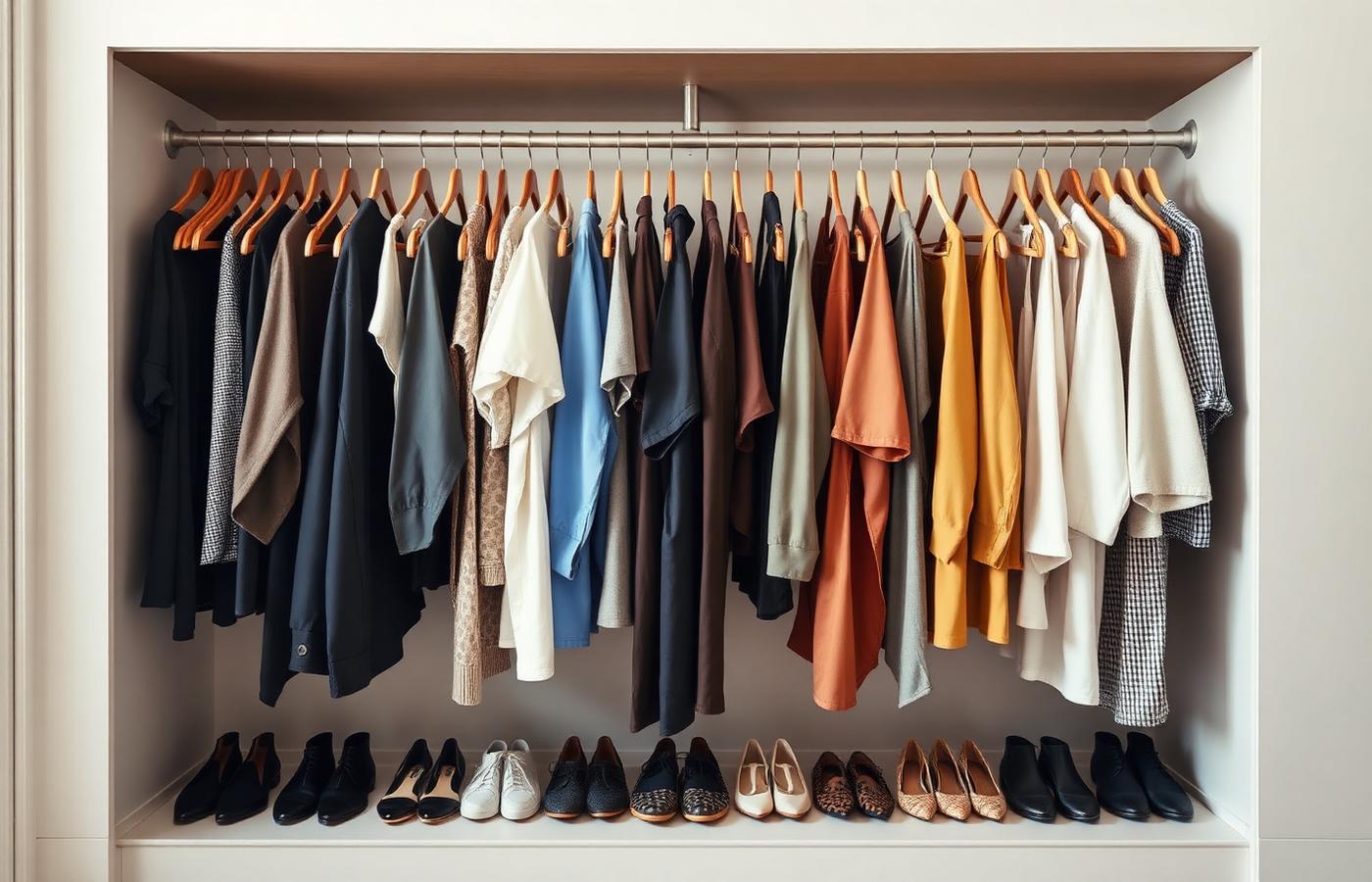
Step one: photograph what you own
Add every piece you wear regularly as an owned item — shirts, t-shirts, knitwear, trousers, jeans, dresses, jackets, coats, shoes. Lay each one flat on a plain surface in daylight, or hang it against a bare wall, and shoot straight on.
Two rules make the catalogue useful later:
- One garment per photo. Combined shots are unusable for try-ons.
- Same light, same distance. Consistent images make comparison honest, because you are then comparing garments rather than photographs.
Skip nothing on the grounds that it is boring. The plain grey t-shirt you wear twice a week is the most important item in the catalogue.
Step two: categorise ruthlessly
Use the dropdown types — shirt, t-shirt, jacket, trousers, dress, shoes and the rest — and only reach for Other when nothing genuinely fits. Every custom label you invent is a category that will not group, will not filter and will not show up when you search for it in six months.
While you are there, record the honest attributes: dominant colour, brand, and whether the piece is something you own or something you are considering. That last flag is what lets you see your real wardrobe and your shopping list as two separate things.
Step three: read the counts
Once it is catalogued, sort by category and look at the numbers rather than the clothes. Almost everyone finds the same three patterns.
- A duplicate cluster. Nine black t-shirts, five white shirts, four pairs of near-identical blue jeans. Duplication is not a sin, but knowing you own nine stops you buying a tenth.
- A structural gap. No mid-weight jacket. No shoes between trainers and formal. Nothing that works for a cold morning and a warm afternoon.
- A dead zone. A group of pieces bought for an occasion type that never occurs. These are the real cost of an unmapped wardrobe.
Step four: count outfits, not items
The useful measure of a wardrobe is not how many things you own but how many complete outfits it produces. A piece that combines with five others is worth more than three pieces that combine with nothing.
Build outfit sets from what you already own and render them. Two things become obvious quickly: which items are load-bearing, and which items look plausible on the hanger and wrong in combination.
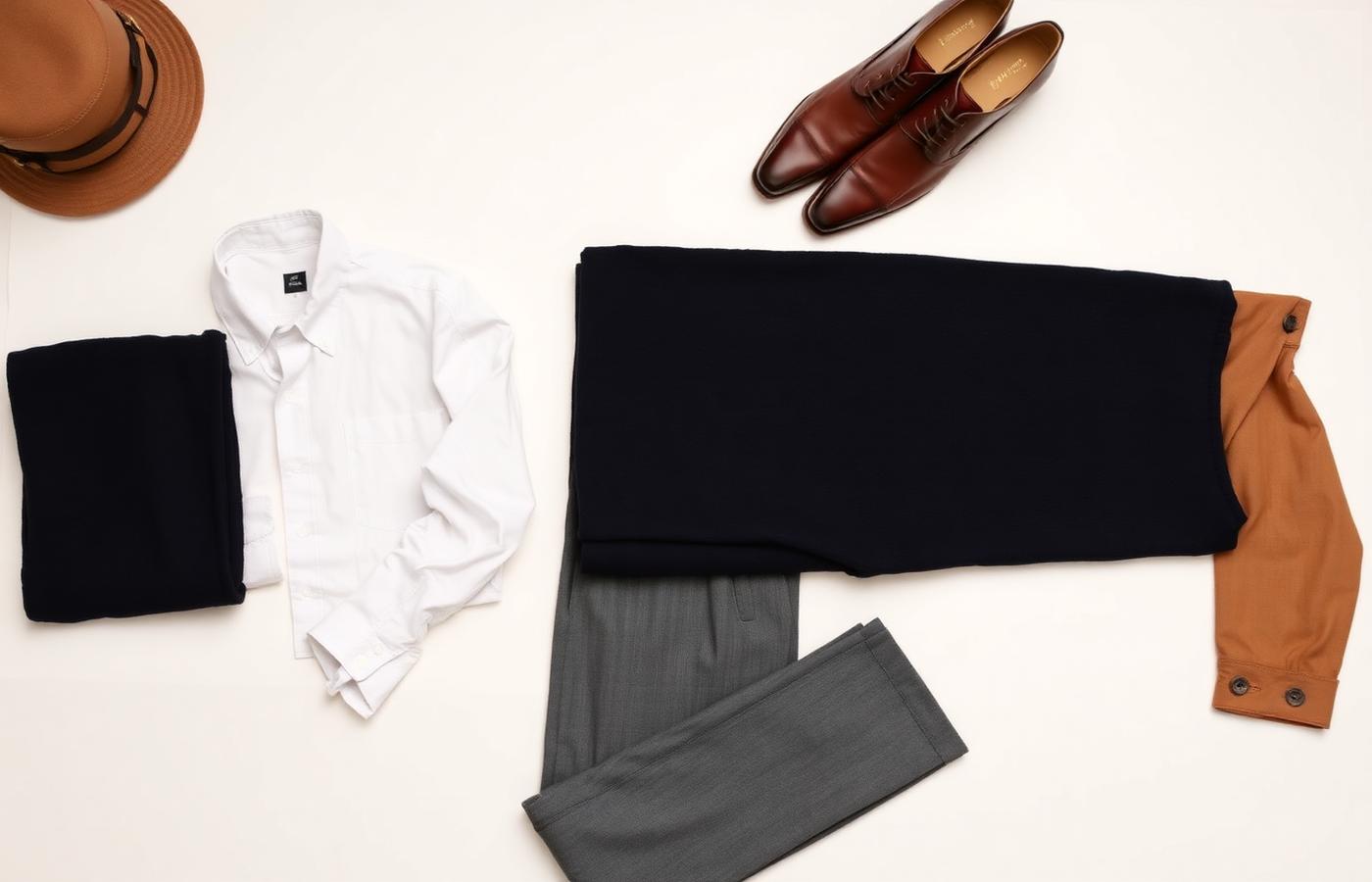
Step five: buy against evidence
With the catalogue in front of you, a purchase decision becomes a short interrogation:
1. Which category is it, and how many do I already own in it?
2. Does its colour sit inside my palette — and if not, does it sit away from my face?
3. How many pieces I already own does it combine with? Fewer than three is a warning.
4. Which specific gap in the counts does it close?
5. Would I wear it this week, to somewhere I am actually going?
Add it as considering, render it against your reference photo, place it beside the closest thing you already own, and let the comparison answer question one honestly.
The maintenance loop
Cataloguing is not a one-off. Give it fifteen minutes a season:
- Add anything new, immediately, before the photo never gets taken.
- Move worn-out pieces out of the catalogue so the counts stay true.
- Re-tag by occasion — work, weekend, evening, travel — so filters do useful work.
- Note the pieces you reached for most and least. The least list is your shopping brief; the most list is your replacement brief.
Notes are the part people skip
The catalogue tells you what you own. Your notes tell you why something works. Record the specifics while they are fresh — sleeves an inch too long, colour perfect in daylight and dull indoors, needs a heel, itches after an hour. Six months later that sentence is worth more than the photograph.
Two honest cautions
A catalogued wardrobe is a decision tool, not a moral scoreboard. The point is not minimalism for its own sake — some people need thirty shirts, and a large wardrobe that is fully worn is a better outcome than a small one that is half endured.
And renders are simulations. They are excellent for silhouette, colour and combination, and they cannot tell you how a fabric moves, weighs or breathes. Use them to shortlist, and let the fitting room or the returns window settle the rest.
Start with the closet you have. The gaps will name themselves.